
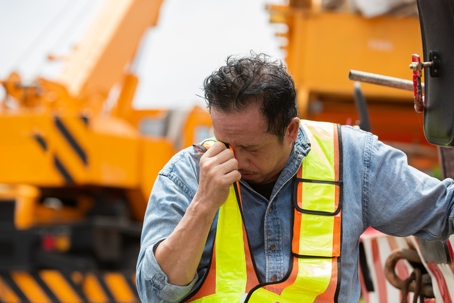
Many Michigan workers experience pain that slowly builds over time. It may start as a slight ache in the wrist, lower back, shoulder, or knee. At first, it may seem like a normal part of a long day. But when the pain becomes stronger or more frequent, it may be a sign of repetitive work stress or a long-term injury caused by repeated motion or overuse on the job. These conditions can limit mobility, disrupt sleep, and make it challenging to continue working. Understanding how these injuries develop and when they may qualify for workers’ compensation can help workers and families take the right next steps.
If pain or strain is stopping you from doing daily tasks, reach out for support today.
Use the online contact form or call (810) 645-9147 to get help right away.
What Are Repetitive Stress and Cumulative Trauma Injuries?
Repetitive stress injuries happen when the same motion, task, or force places pressure on the same part of the body over and over. Instead of one sudden accident, these injuries develop slowly. Many workers do not notice the early signs because the pain builds gradually.
Examples of tasks that may lead to repetitive work stress
- Lifting or pulling heavy items many times a day
- Typing, scanning, or using handheld devices for extended periods
- Using tools with strong vibration
- Reaching overhead again and again
- Working on fast-paced assembly lines
- Repeating the same steps at a machine or workstation
Common injuries linked to repetitive motions
Workers across many industries can develop conditions such as:
- Carpal tunnel syndrome
- Rotator cuff strain
- Tendonitis in the arms, shoulders, or wrists
- Lower back strain or disc issues
- Joint pain from constant bending or twisting
- Nerve compression injuries
- Stress injuries in the knees or hips
These injuries often start mild, but without rest or proper treatment, they can worsen and lead to long-term strain.
How Overexertion Happens on the Job
Overexertion injuries occur when the body is pushed beyond its physical limits. This may occur during one heavy task or over time through repeated lifting or pulling. Overexertion is one of the most common causes of workplace injuries across the country.
Signs of overexertion
Workers may notice:
- Sharp or sudden pain
- Difficulty lifting or bending
- Muscle spasms
- Swelling or stiffness
- Pain that gets worse with movement
- Trouble sleeping or sitting comfortably
Overexertion can lead to serious injuries to the back, shoulders, neck, and knees. These injuries may qualify for benefits if they are connected to work tasks.
Why These Injuries Develop Slowly
Repetitive work stress often goes unnoticed because the body adapts until it can no longer keep up. When tissues, muscles, and joints experience repeated movements over months or years, small tears can form. These minor injuries may not heal fully before being strained again.
Factors that increase the risk
- Long shifts with little rest
- High-speed or high-pressure tasks
- Heavy lifting without proper equipment
- Repeating the same motion every day
- Poor workstation setup
- Holding the same body position for long periods
Over time, these issues can turn into chronic pain that limits motion and affects job performance.
When These Injuries Qualify for Workers’ Compensation in Michigan
Many workers are unsure whether repetitive stress or overexertion injuries qualify for workers’ compensation because there is no single accident to point to. Michigan law does allow benefits for these conditions when they are caused by job duties.
To qualify, the condition may need to show:
- It was caused or made worse by work tasks
- It interferes with the ability to do the job
- A medical provider can link the injury to work duties
- Symptoms developed over time in connection with repeated movements
Proof may include medical records, job descriptions, work histories, and information about how the injury affects daily life. Workers do not need to know all the details before seeking help. Many people only realize their condition is work-related after speaking with someone who understands Michigan workers’ compensation rules.
For more details on benefits and the claims process, visit the page on workers’ compensation in Michigan.
Early Signs Workers Should Not Ignore
Many Michigan workers continue to perform painful tasks because they fear reporting symptoms or missing work. But early warning signs should be taken seriously.
Watch for symptoms such as:
- Tingling, numbness, or burning
- Weak grip or reduced strength
- Swelling in the hands, elbows, or shoulders
- Pain that increases during or after work
- Trouble lifting items that were once easy
- Needing to stop or slow down due to discomfort
Any of these signs may indicate repetitive work stress or cumulative trauma.
What to Do If You Suspect a Repetitive Stress Injury
When symptoms reach a point where they affect job performance or everyday tasks, taking the right steps can protect both health and future benefits.
Consider the following steps:
- Tell your employer about the pain or symptoms
- Seek medical care for a proper diagnosis
- Explain your job duties to your medical provider
- Keep notes about when symptoms appear and what tasks make them worse
- Request light duty or a change in tasks if recommended by a doctor
- Speak with someone familiar with Michigan work injury claims
These steps can help build a clear record if a workers’ compensation claim becomes necessary.
What Michigan Workers’ Compensation May Cover
When repetitive stress or cumulative trauma injuries qualify for workers’ compensation, several types of support may be available.
Possible benefits include:
- Medical treatment and follow-up care
- A portion of lost wages when time off is needed
- Support for long-term restrictions
- Therapy or treatment for chronic pain
- Help returning to work with new limitations
Each case is different, but workers do not have to face the process alone.
When to Reach Out for Help
Pain that builds slowly over time can feel frustrating and confusing. Workers may worry that the injury will not be taken seriously because there was no single accident. However, Michigan law acknowledges that repeated movements and overexertion can cause significant, long-term harm. Getting help early can reduce stress and provide clear direction.
Michigan Workers’ Comp Attorneys
If you believe repetitive work stress or overexertion is affecting your health, Steele & Ferguson, P.C. is here to support you. Guidance is available to help you understand your rights, gather the necessary documentation, and move forward with confidence.
Reach out using the online contact form or call (810) 645-9147 to discuss your situation. Taking early steps can help protect access to medical care and wage support.